Table Of Content
- The Ultimate Guide to Designing for the User Experience
- What distinguishes symmetrical from asymmetrical balance in visual composition?
- Definition of Symmetry in Graphic Design
- What are the differences between symmetrical balance, asymmetrical balance, and radial balance?
- Symmetry Examples in User Interfaces
- Challenging Tradition: Asymmetry in Modern Architecture
- How to Create and Distribute 50+ Ads From a Single Figma Design in Minutes
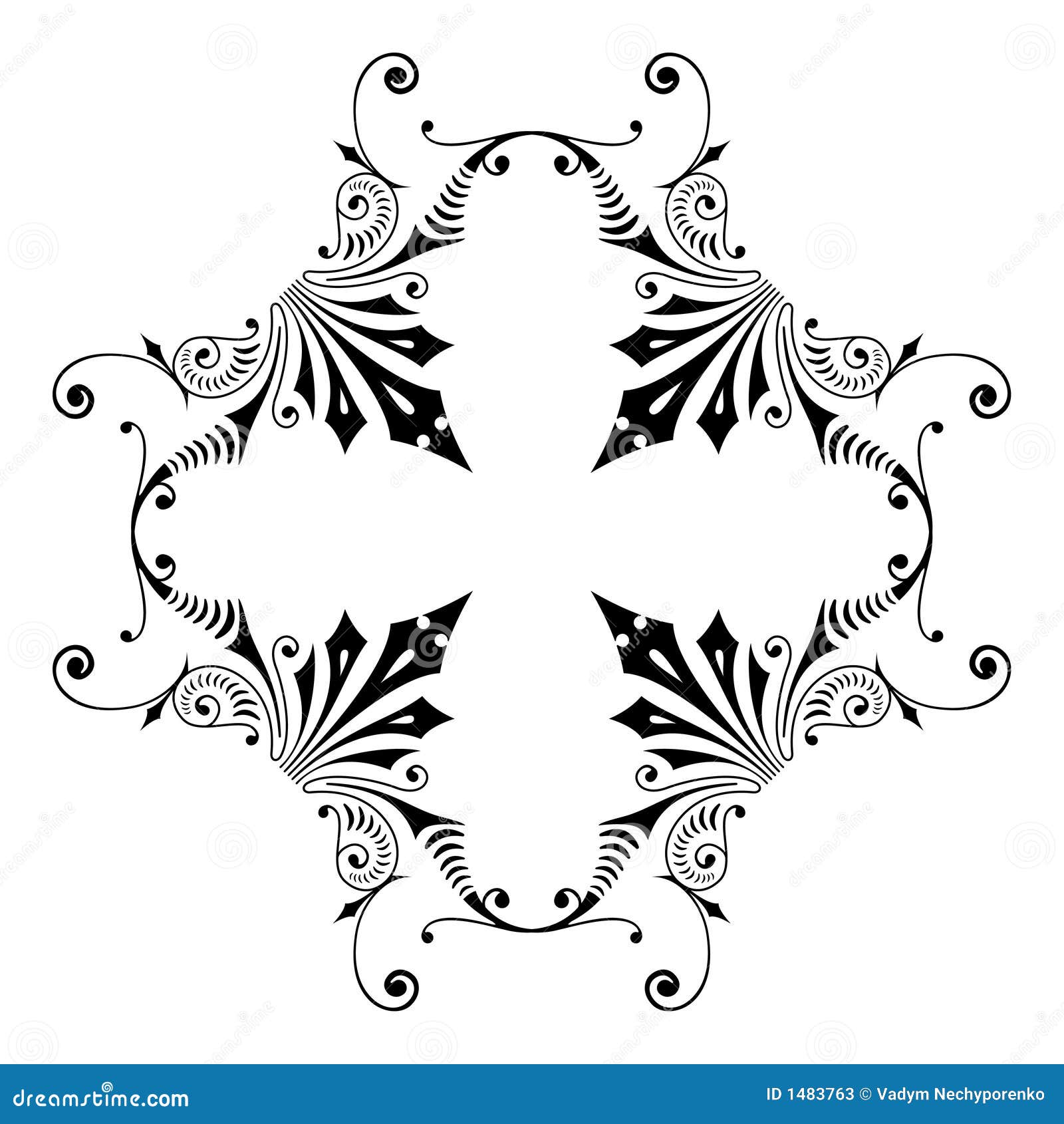
As more complexity is required in more sophisticated designs, we find that symmetric balance becomes increasingly difficult to attain. If we try to make it happen in a less simplistic design, we’ll notice how much force we have to use to keep that symmetry. Of course, that effort will turn up in the overall look, creating a strained impression in the user’s eye. Hopefully, this article gave you some insight into two frequently used instances in the world of artists- asymmetry and symmetry. If we walk over a sandy beach, a soft patch of ground or a snowy area, we leave our footprints behind us.
The Ultimate Guide to Designing for the User Experience
This creates a sense of harmony and stability, making it a popular choice for creating visually pleasing designs. Jessica Allen This web portfolio is likely the most asymmetrical design in this showcase. There are a few areas of translational symmetry, and the logo provides perfect reflection symmetry, but beyond that, not much else.
What distinguishes symmetrical from asymmetrical balance in visual composition?

Remember, too, that although our bodies seem symmetrical, they are not truly mirrored sides. If you’ve got moles, freckles, a cut or scar, a slightly different color in one eye, or have one arm that’s stronger or longer than the other, you’ll see this right away. Asymmetrical balance occurs when you have different visual images on either side of a design, and yet the image still seems balanced. To be considered asymmetrical, a design needs to have unequal visual weight on either side, but those unequal visuals need to balance each other.
Definition of Symmetry in Graphic Design
Cognitive Architecture: The Case for More Symmetry in Urban Design - Bloomberg
Cognitive Architecture: The Case for More Symmetry in Urban Design.
Posted: Thu, 08 Oct 2015 07:00:00 GMT [source]
The Eden Project demonstrates how fractal-inspired designs can be applied to create unique and sustainable architectural solutions for large-scale structures. St. Peter’s Basilica, a breathtaking Renaissance-era church nestled in Vatican City, is a true masterpiece of radial symmetry. The center of attention is undoubtedly its grand dome, a crowning achievement crafted by the renowned artist Michelangelo. This radial arrangement draws the viewer’s attention to the central focal point, creating a feeling of unity and spiritual significance. It’s counterbalanced by text and the circular logo in the upper left.
I hope this idea that the principles of gestalt lead to many of the design principles that guide us has become clearer as you’ve read through this series. The design principles we follow didn’t arise out of thin air; they emerged from the psychology of the way we perceive our visual environment. One of the gestalt principles specifically addresses symmetry and order and certainly applies to compositional balance. Throughout this series I’ve tried to point out how many design principles arise from gestalt principles. I also hope that as you’ve followed along you’ve seen how different design principles build on each other.
While symmetry is often used in architecture, there are times when asymmetry is more appropriate. Asymmetrical structures can be just as visually appealing as symmetrical structures, but they require a different approach to achieve balance. For this article, I want to focus on symmetry design principle implementations on modern user interfaces. However, we will also be looking at asymmetry and balance principles in-depth.
Visual Weight and Equilibrium
Design of electrode materials of nickel-cobalt compounds for aqueous symmetrical supercapacitor with large power ... - ScienceDirect.com
Design of electrode materials of nickel-cobalt compounds for aqueous symmetrical supercapacitor with large power ....
Posted: Tue, 04 Aug 2020 22:10:37 GMT [source]
To create a successful asymmetrical design, you still need to figure out how to balance out the image. And not only that – the objects from both sides of the axis look the same, only as reflected in a mirror. The prevalence of symmetry in architecture is also deeply intertwined with cultural beliefs, traditions, and aesthetics.
Challenging Tradition: Asymmetry in Modern Architecture
Here is a resource with more information on design theory and techniques. Tracks ad performance and user engagement, helping deliver ads that are most useful to you. Allows for content and ad personalization across Google services based on user behavior. Permits storing data to personalize content and ads across Google services based on user behavior, enhancing overall user experience. Governs the storage of data necessary for maintaining website security, user authentication, and fraud prevention mechanisms.
For this reason, designers tend to lean towards either a more symmetrical or asymmetrical arrangement of elements. If you are a bit unsure with which direction you should go for, let’s first browse through some characteristics of symmetrical design. It’s also worth noting that when it comes to design, symmetry is not the same as identical mirroring.
The White House in the United States and the British Museum in London are prominent examples of symmetrical designs that exude grandeur and elegance. Even in the soaring Gothic cathedrals and intricate patterns of Islamic architecture, symmetry reigns, creating a sense of vertical and horizontal balance. Symmetry, woven into the fabric of architectural history, continues to be a timeless principle that captivates and inspires, shaping the world we inhabit with its enduring beauty and tranquility. Throughout architectural history, ancient civilizations like Egypt and Greece shine as beacons of symmetry. The awe-inspiring pyramids and grand temples of the Egyptians showcased their mastery of bilateral symmetry, symbolizing divine order and cosmic balance. Overall, achieving symmetrical balance requires careful attention to detail and a variety of design tools and techniques.
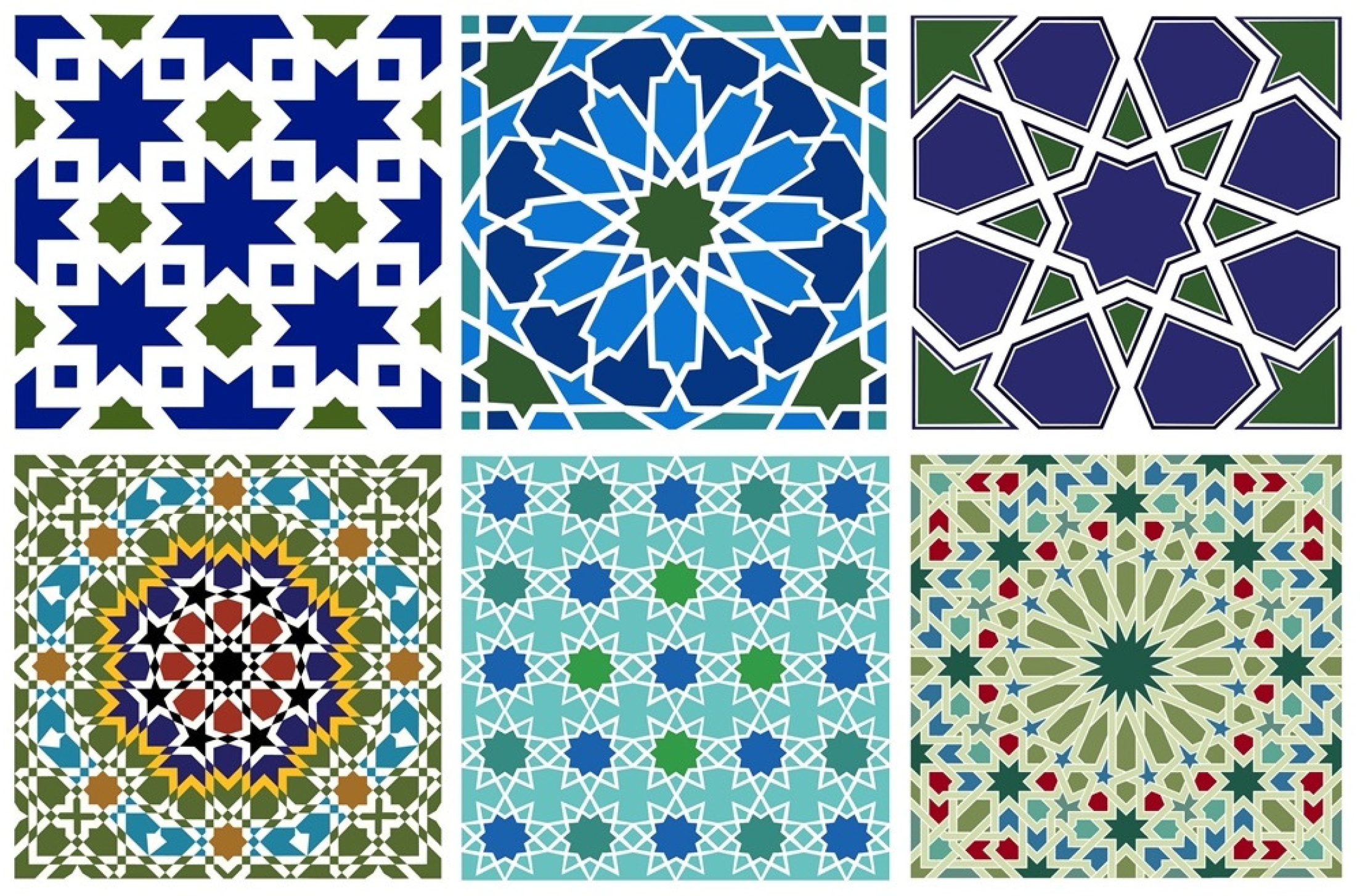
Think of mosaic balance as organized chaos that might look like noise, but actually creates balance thanks to the absence of a distinct focal point. More visually interesting than its symmetrical counterpart, this visual technique has a large focal point on one side with several, less significant focal points on the other. When working with symmetry (or asymmetry) in design, there are several best practices you should keep in mind. It can also be used strategically and more profoundly to create the feeling of motion and speed just like rotational symmetry. I would also recommend reading up on the alignment principle and principles of design to sharpen your design foundations.
The direction in which the physical weight acts is replaced by visual direction. Similarly, if you are seeking for a serious, deliberate aesthetic, symmetrical design will work best. Balance measures the visual weight of your composition, which impacts how much each element attracts your audience’s attention. Balance is the visual principle of making a design appear equally weighted throughout the composition. The orange “TG” stamp, for example, serves to punctuate the monotonous symmetry. Coda Automotive Coda Automotive is a content-heavy site, which means balance and organization is essential to site usability.
We can notice how the elements need not be the exact same across a central axis to achieve symmetry. Any angle of rotation is fine taking into account that the center of rotation is common for all elements. For example, the steering wheel of a ship is an example of radial or rotational symmetry. A common example would be how human faces have two equivalent elements like eyes, ears, hands, and legs that create a balance forming symmetry.
For more information on asymmetrical balance, check out this resource, which provides a detailed overview of the topic. Symmetrical balance is achieved when the elements in a design are arranged in a way that creates a mirror image on either side of a central axis. This type of balance is often used in traditional art and design, as it creates a sense of stability and order.




No comments:
Post a Comment